

Phone
07404526677
hello@mrgreat.co.uk

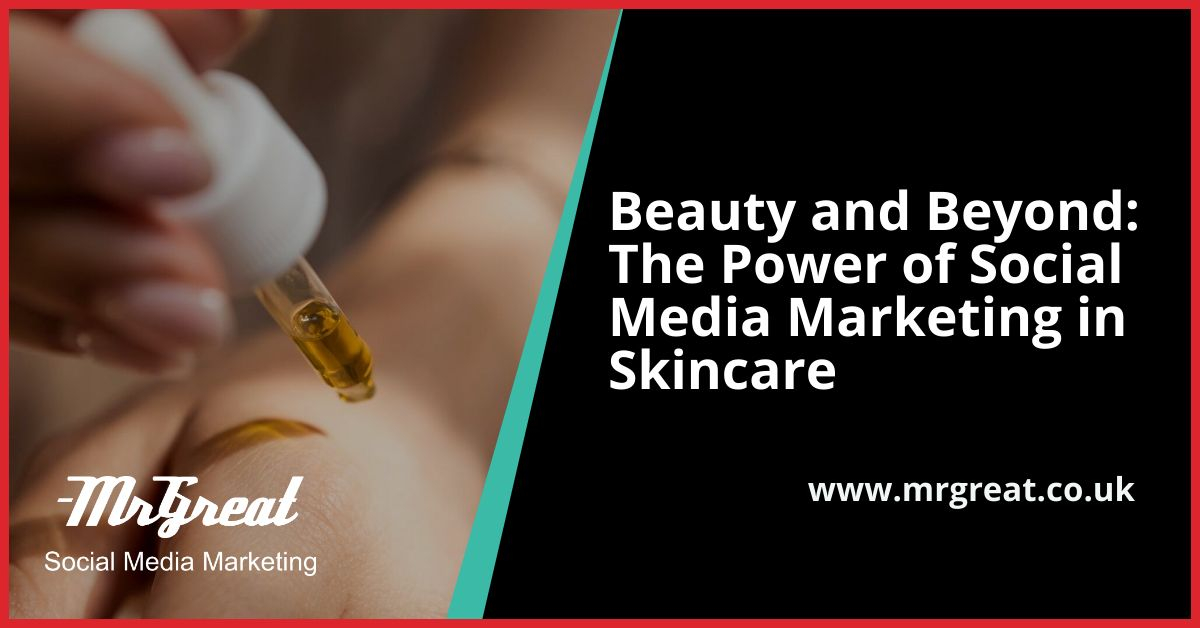
In today's digital age, where technology and beauty converge, the skincare industry has witnessed a remarkable transformation. As a result, the marketing landscape has evolved significantly, with social media emerging as a powerful platform for promoting skincare products and brands. This article delves into the world of social media marketing in skincare and how it can drive unprecedented growth, consumer engagement, and brand loyalty.
In recent years, social media has become an integral part of people's lives. Platforms like Facebook, Instagram, Twitter, Pinterest, and TikTok have revolutionized the way we connect, communicate, and consume information. With millions of users worldwide, these platforms offer a treasure trove of opportunities for businesses, especially in the skincare industry.

As human beings, we are naturally drawn to visuals. Skincare brands can capitalize on this by creating visually captivating content. High-quality images and videos showcasing their products in action can captivate the audience, sparking curiosity and interest. These visuals should be aesthetically pleasing, on-brand, and resonate with the target audience.
Influencer marketing has become a game-changer for skincare brands. Partnering with influencers who have a substantial following in the beauty and skincare niche can significantly expand a brand's reach. When influencers endorse a product, their followers often perceive it as a genuine recommendation, leading to higher trust and, ultimately, conversions.
Skincare enthusiasts are constantly seeking knowledge and advice on achieving healthy, glowing skin. Brands can position themselves as industry authorities by providing valuable educational content. This content may include skincare tips, ingredient breakdowns, and product usage guides. By being a reliable source of information, brands can build trust with their audience and foster long-term relationships.
UGC is a potent tool for engaging customers and fostering a sense of community around a brand. Encouraging customers to share their experiences, reviews, and before-and-after photos creates a sense of authenticity. When other potential customers see real people benefiting from a product, it enhances the brand's credibility and encourages them to make a purchase.
Different social media platforms have unique characteristics, and skincare brands must tailor their strategies accordingly.

Instagram is a visual-centric platform and an ideal choice for skincare brands. By creating an aesthetically pleasing feed, utilizing Instagram Stories, and leveraging hashtags relevant to skincare, brands can reach a vast and engaged audience.
TikTok's popularity has skyrocketed, especially among the younger demographic. Skincare brands can leverage this platform's short-form video format to showcase their products, create viral challenges, and engage with Gen Z users.
Pinterest is a goldmine for skincare inspiration. Brands can create informative infographics, step-by-step routines, and product collages that appeal to the platform's beauty-savvy users.
To outrank other websites, skincare brands need to focus on key performance indicators (KPIs) that reflect the success of their social media marketing efforts.
Likes, comments, shares, and saves are essential engagement metrics to gauge how well the audience is interacting with a brand's content. Higher engagement indicates that the content is resonating with the target audience.
A steadily increasing follower count signifies the brand's growing influence and popularity. It reflects how effectively the brand is attracting and retaining its audience.
The ultimate goal of social media marketing is to drive conversions. By tracking the number of people who click through to the brand's website and make a purchase, brands can assess their conversion rate and optimize their strategies accordingly.
As technology continues to evolve, the future of social media marketing in skincare holds even more promising opportunities. Advancements in augmented reality (AR) and virtual reality (VR) will enable consumers to virtually try on skincare products, enhancing the shopping experience. Additionally, personalized content through AI-driven algorithms will allow brands to deliver highly relevant and tailored content to individual users.
In conclusion, social media marketing has proven to be a powerful force in the skincare industry, driving growth, engagement, and brand loyalty. Skincare brands that harness the potential of platforms like Instagram, TikTok, and Pinterest can elevate their presence, outrank competitors, and achieve unprecedented success in the digital realm.

YOU’D BETTER DO SOMETHING ABOUT IT