

Phone
07404526677
hello@mrgreat.co.uk

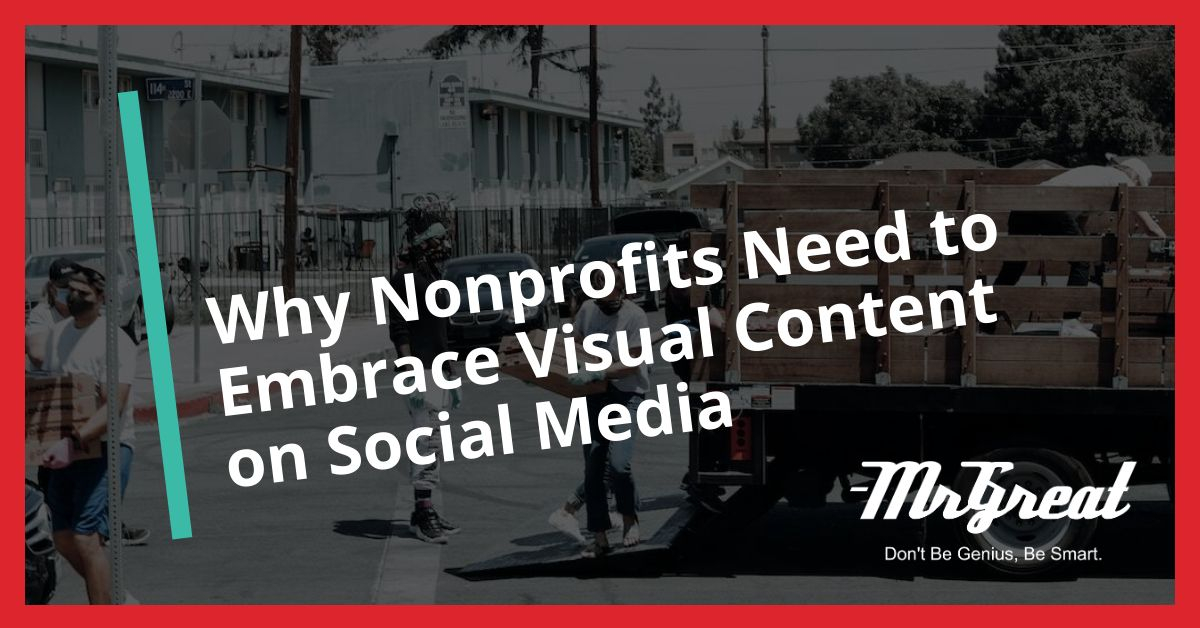
Nonprofits have always relied on emotional storytelling to drive donations and support for their causes. With the rise of social media, these organizations can now leverage the power of visual content to make an even greater impact.
Visual content, such as images, videos, and infographics, can help nonprofits engage with their audience, showcase their work, and build a stronger brand. In this article, we will explore the importance of visual content for nonprofits on social media and provide some tips on how to use it effectively.
Visual content is a powerful tool for nonprofits because it can evoke emotions and create a stronger connection with the audience. When people see an image or video that resonates with them, they are more likely to remember it and take action. According to a study by Hubspot, visual content is 40 times more likely to get shared on social media than other types of content. This means that nonprofits can reach a wider audience and increase their exposure by using visual content.
Additionally, visual content can help nonprofits showcase their work and impact. For example, images and videos of volunteers in action or the people they serve can give donors and supporters a glimpse into the nonprofit's mission and work. This can help build trust and credibility, which are important factors in gaining support.
Images and videos are powerful storytelling tools that can help nonprofits connect with their audience on an emotional level. By sharing photos and videos of their work and impact, nonprofits can show the real-life consequences of their mission. For example, a nonprofit that helps provide clean water to communities can share photos and videos of people drinking clean water for the first time. This can help donors and supporters see the impact of their donations and inspire them to continue supporting the cause.
Additionally, images and videos can help make complex issues more accessible and understandable. For example, a nonprofit that works on environmental issues can create a video that explains the impact of climate change on a specific community. This can help raise awareness and educate the audience on the issue.
Infographics are a great way to communicate complex data and statistics in an easily digestible format. Nonprofits can use infographics to showcase the impact of their work, share research findings, or explain their mission. Infographics are also highly shareable on social media, which can help increase the nonprofit's exposure and reach.
When creating an infographic, it's important to keep it simple and visually appealing. Use colours and images that are consistent with the nonprofit's branding and make sure the information is easy to understand.
Live streaming is a great way for nonprofits to engage with their audience in real-time. Nonprofits can use live streaming to showcase events, host Q&A sessions, or share updates on their work. Live streaming can also help nonprofits build a stronger connection with their audience, as it allows for two-way communication and interaction.
When live streaming, it's important to plan ahead and promote the event to ensure maximum attendance. Nonprofits should also make sure they have the necessary equipment and a strong internet connection to avoid technical issues.
Visual content is a powerful tool for nonprofits on social media. By using images, videos, infographics, and live streaming, nonprofits can engage with their audience, showcase their impact, and build a stronger brand. However, it's important to use visual content effectively by keeping it relevant, high-quality, and accessible.
By embracing visual content on social media, nonprofits can make a greater impact and gain support for their causes.

YOU’D BETTER DO SOMETHING ABOUT IT